 how-to
How to Lower Household Utility Bills Fast
Last Updated: November 6, 2026
Quick Summary
The fastest way to lower household utility bills is to attack the biggest loads first: heating and cooling, water heating, then appliances and lighting. Measure first, then act, starting with a thermostat schedule, sealing drafts, and switching to LED bulbs.
- Compare this month's bill to the same month last year, not last month, because seasonal energy use swings hard.
- Weather-stripping and door sweeps are cheap, fast fixes for drafts at doors, windows, outlets, and the attic hatch.
- Swap the five most-used bulbs to LED for the easiest win, even though lighting is a small share of most bills.
- Many utilities offer a home energy audit, sometimes free, that finds insulation and air-sealing gaps you cannot see.
- Insulation and window replacement pay back over years, so do the cheap sealing first and let the audit guide bigger spending.
Table of Contents
- How to Lower Electric Bill: A Prioritized Action Plan
- Thermostat Settings to Save Money on Electric Bill
- How to Reduce Gas Bill in Winter
- Frequently Asked Questions
How to Lower Electric Bill: A Prioritized Action Plan
The fastest way to lower household utility bills is to attack the biggest loads first: heating and cooling, water heating, then appliances and lighting. MIT research on household energy coaching shows that better information plus coaching cuts both consumption and costs, measure first, then act.
Priority | Action | Cost | Effort | Typical Payoff |
|---|---|---|---|---|
1 | Adjust thermostat schedule | None | Minutes | High |
2 | Seal drafts and weather-strip doors | Low | An afternoon | High |
3 | Switch to LED bulbs | Low | An hour | Medium |
Step 1: Read your bill like a diagnostic. Compare this month to the same month last year, not last month, seasonal energy use swings hard.
Step 3: Walk the house with a candle or damp hand. Feel for drafts at doors, windows, outlets, and the attic hatch; weather-stripping and door sweeps are cheap and fast.
Step 4: Swap the five most-used bulbs to LED. Lighting is a small share of most bills, but it is the easiest win.
Step 5: Attack hot water. Shorter showers, fix leaky faucets, wash clothes in cold water.
Step 6: Call for a home energy audit. Many utilities offer one, sometimes free, and it finds insulation and air-sealing gaps you cannot see.
If you are moving or your contract is up for renewal, compare residential electricity plans before you sign, or find my home savings on the YOUtility website for current pricing and options.
Thermostat Settings to Save Money on Electric Bill
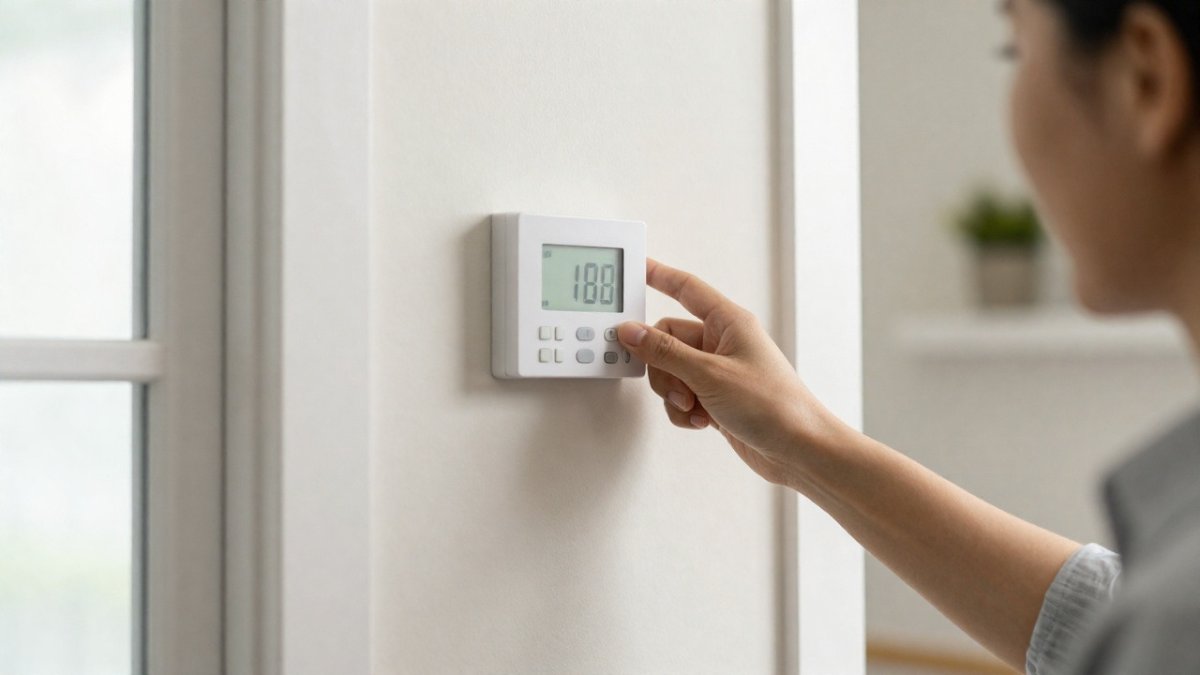
A programmable or smart thermostat can help you set back the temperature automatically while you sleep or are away. To save addresses, track comparisons, and get renewal reminders, create a free account.
How to Reduce Gas Bill in Winter
Reducing air leakage is one of the most effective ways to lower heating costs over a winter season. Set the thermostat back while you sleep, keep blinds open on sunny south-facing windows by day and closed at night, and lower the water heater to the warm setting. According to research on how energy-insecure households cope with bills, families under pressure often cut spending on food or medical care to cover monthly energy bills, the real cost of a leaky house.
A winter gas checklist:
Rising electricity bills are straining household finances, and a Consumer Reports 2026 survey found many households are weighing trade-offs, including cutting grocery budgets, and that individual actions alone cannot offset record-high utility rates. That is why the plan starts with your rate plan, not just your habits.
One honest limitation: insulation and window replacement pay back over years, not months. Do the cheap sealing first and let the audit tell you what is worth the bigger spend.
Check assistance before you cut elsewhere. Assistance programs such as LIHEAP and utility hardship funds may be available to some households. Ask your utility what you qualify for, and check the official program pages for current amounts and deadlines.
Frequently Asked Questions
What runs up your electric bill the most?
Heating and cooling usually take the largest share, followed by water heating, then appliances like the dryer and refrigerator. Lighting is a smaller slice than most people assume. That is why thermostat adjustments and hot-water changes move the needle more than switching off a few bulbs. Standby power from electronics adds a smaller but steady amount. Fix the big three first, then work down the list.
How can I lower my electric bill in an apartment?
Focus on what you control. Seal gaps around doors with weather-stripping and a door sweep, use curtains to block summer heat, unplug electronics on power strips, run the dishwasher and washing machine with full loads, and air-dry clothes. If your utility offers time-of-use rates, shift laundry and dishwashing to off-peak hours. Ask your landlord about a home energy audit and any efficiency incentives available for the building.
What thermostat settings help save money on an electric bill?
Set the thermostat a few degrees higher in summer and lower in winter when the home is empty or everyone is asleep, and return it to a comfortable setting when you are awake and home. A programmable or smart thermostat handles this automatically. Check with your utility for time-of-use rates before locking in a schedule.
The cheapest utility bill is the one you stop overpaying for. YOUtility ranks the Texas electricity options at your exact address (internet tips are advice only) in about 60 seconds using our Prometheus Engine, with contract-grade scoring for businesses and no sales calls. We may earn a referral fee from some providers; referral fees never change our ranking. YOUTILITY LLC is registered with the Public Utility Commission of Texas as a broker, registration No. BR260248. Get started with YOUtility and see your ranked best pick for your home or storefront.